
What is hypothyroidism?
Symptoms of hypothyroidism
Symptoms of hypothyroidism usually appear gradually and can be different from person to person. Some people might not notice symptoms for months or even years.
According to Healthdirect, common signs include:
Fatigue or low energy: Feeling tired even after a good night’s sleep.
Weight gain: Despite no major changes in diet or activity.
Cold sensitivity: Feeling cold more often than others around you.
Depression or low mood: Persistent sadness or lack of motivation.
Dry skin and brittle nails: Skin that feels rough, cracked or itchy.
Memory and concentration issues: Often described as “brain fog”.
Constipation: Difficulty with bowel movements.
Slow heart rate or low blood pressure: Changes in heart and circulation.
Puffy face: Swelling or bloating in the facial area.
Thinning hair or hair loss: Often more noticeable in women.
Menstrual changes: Heavier or irregular periods.
Voice changes: Hoarseness or a deeper voice.
These symptoms are caused by a drop in thyroid hormone levels, which affects how your body uses energy. If left unmanaged, untreated hypothyroidism can lead to serious complications, including infertility, heart disease, and goitre.
Causes & types of hypothyroidism
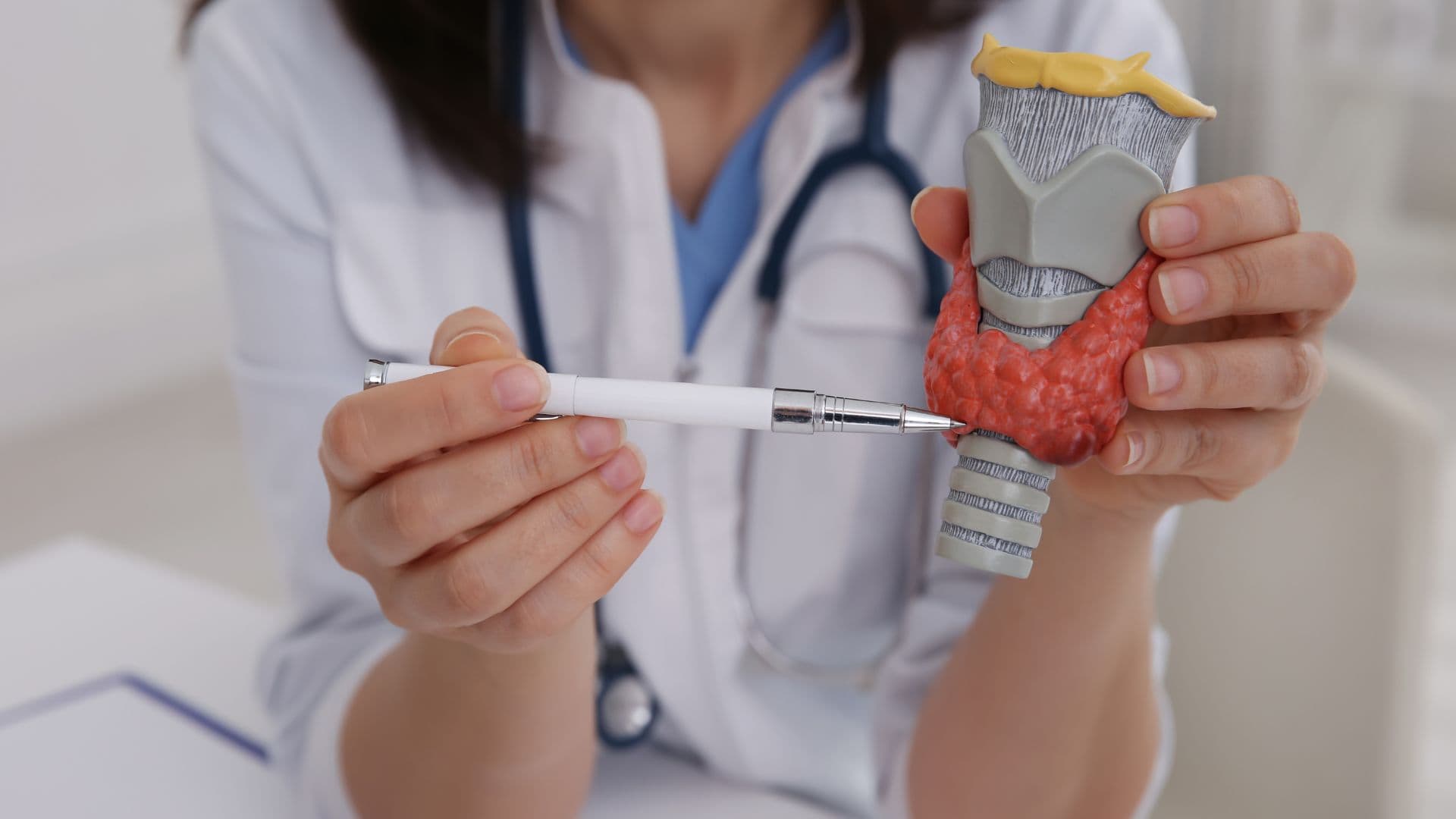
Your thyroid gland is a small, butterfly-shaped gland in your neck. It produces hormones that help control your metabolism, body temperature, heart rate and more. The thyroid gland plays a crucial role in regulating metabolism, body temperature, heart rate and more. When it doesn’t produce enough hormones, this results in hypothyroidism.
Common causes include:
Hashimoto’s disease, an autoimmune disorder where the immune system attacks the thyroid.
Iodine deficiency although it is less common in Australia due to food fortification.
Side effects of medications like lithium or amiodarone.
Radiation therapy to the neck or head.
Surgical removal of the thyroid.
Rare conditions affecting the pituitary gland.
Types of hypothyroidism include:
Primary hypothyroidism – caused by a direct issue with the thyroid gland.
Secondary hypothyroidism – caused by problems with the pituitary gland.
Congenital hypothyroidism – present from birth and detected early through newborn screening programs.
Risk factors

Anyone can develop hypothyroidism, but some people are more likely than others.
You may be more likely to develop hypothyroidism if you:
Are a woman (especially over age 60)
Have a family history of thyroid disease
Have an autoimmune condition such as coeliac disease or type 1 diabetes
Have had surgery or radiation affecting the thyroid
Are pregnant or have recently given birth (known as postpartum thyroiditis)
Have an insufficient iodine intake
These risk factors are outlined by the Australian Thyroid Foundation, a trusted source for thyroid health support and information.
Diagnosis
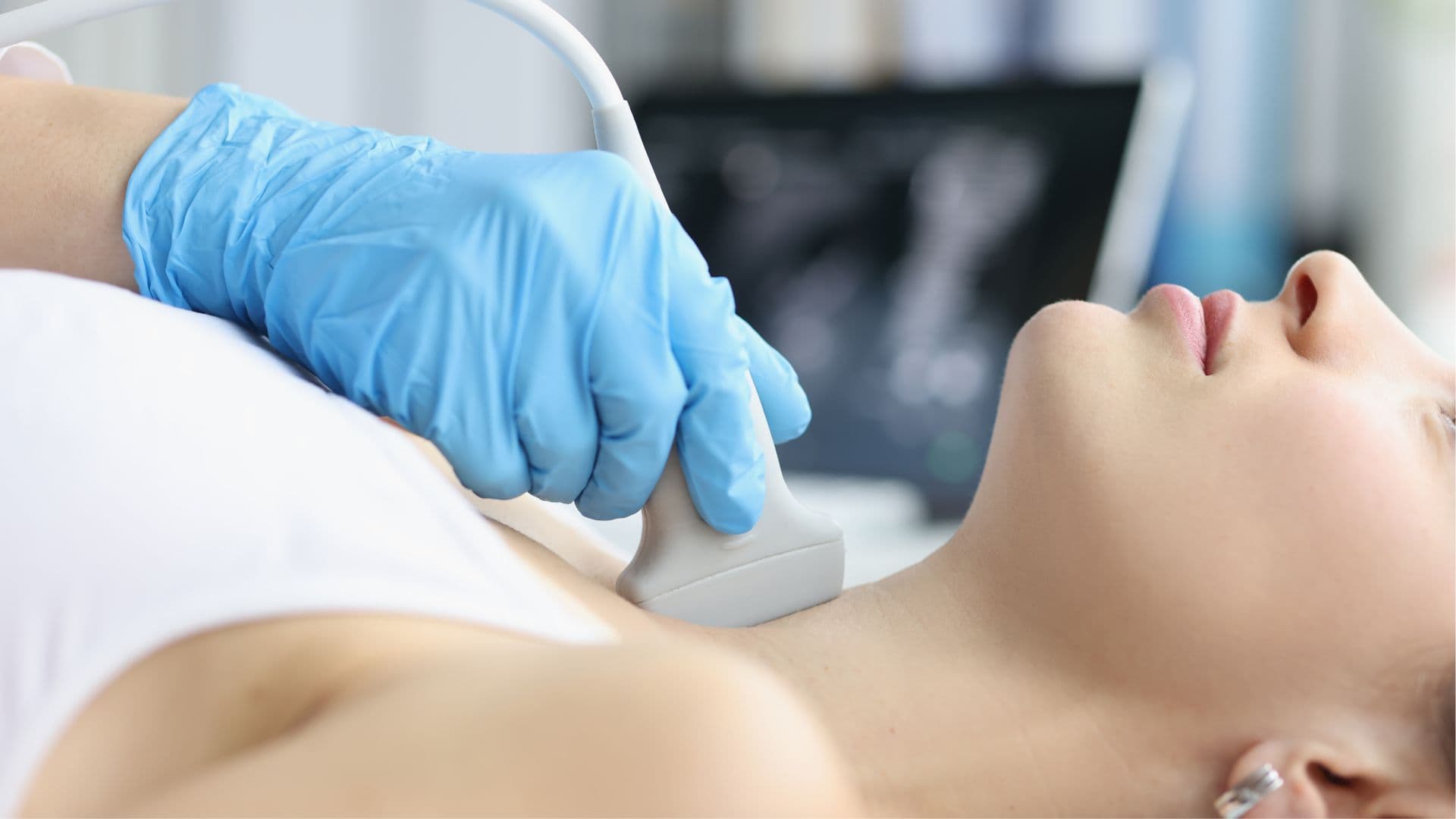
Diagnosing hypothyroidism usually starts with a visit to your GP and a blood test.
If your doctor suspects hypothyroidism, they will usually order blood tests to measure your level of thyroid hormones.
These may include:
TSH (thyroid-stimulating hormone): Elevated levels suggest the thyroid is underactive.
Free T4: A low level of thyroxine confirms the diagnosis.
Thyroid antibodies: Tested if Hashimoto’s disease is suspected.
These pathology tests help determine both the presence and cause of thyroid hormone imbalances.
Treatment options for hypothyroidism
The most effective treatment for hypothyroidism is daily hormone replacement therapy. The standard medicine is levothyroxine, a synthetic version of the thyroid hormone T4.
Treatment aims to:
Replace the missing hormones
Relieve symptoms
Restore normal levels of thyroid hormones
Things to keep in mind:
It may take time to find the right dose
You’ll need regular blood tests to monitor your level of thyroid hormones
The medication is usually lifelong, but it’s affordable and widely available
Most people feel much better after a few weeks of treatment
With proper care, hypothyroidism can be managed successfully and won’t stop you from living a full and active life.
When to see a doctor
You should speak to your GP if:
You have ongoing tiredness, depression, weight gain or brain fog.
You have a family history of thyroid problems.
You’re pregnant or planning pregnancy, thyroid hormones are vital for the baby’s brain development.
You’ve already been diagnosed, but your symptoms return.
For complex cases, your GP may refer you to an endocrinologist, a doctor who specialises in hormone-related conditions like hypothyroidism.
Finding a job with hypothyroidism

Managing a condition like hypothyroidism doesn’t mean giving up on your career. If you’re struggling with work or finding a job, Inclusive Employment Australia can provide practical support.
At APM, we can:
Help you identify your strengths and job goals.
Provide support with resumes, applications and interviews.
Connect you with inclusive employers.
Help organise workplace modifications (like flexible hours or extra breaks).
Offer continued support once you’re in the job.
Our team works alongside you to find a job that suits your skills and supports your health. If hypothyroidism is affecting your work, we’re here to help you feel confident and capable again.
About this article
APM supports people with disability, injury, or a health condition through various programs and services across its businesses, including Inclusive Employment Australia in Australia.
The information contained in this article is for educational and informational purposes only and is not intended as health or medical advice. Always consult a physician or other qualified health provider regarding any questions you may have about a medical condition or health objectives.
When discussing disability, APM’s copy style is to use person-first language and the social model of disability in the first instance. Some articles may use identity-first language or refer to the medical model of disability for clarity or to better suit a specific audience.
If you have any questions or feedback about the content of this article, visit our Feedback page to get in touch or email support@apm.net.au